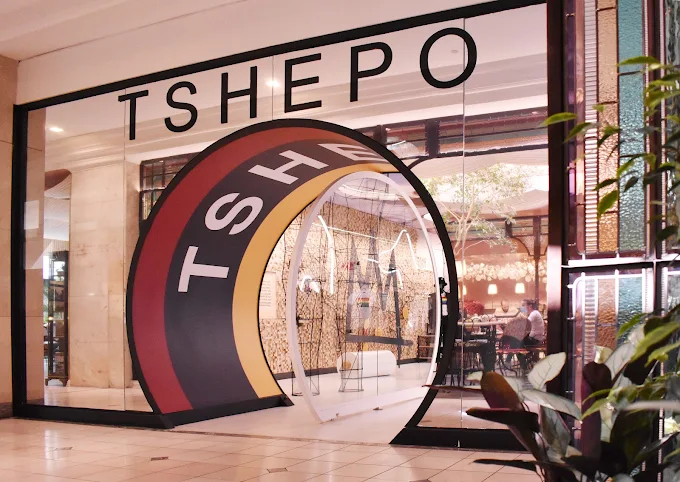
When Tshepo Mohlala founded Tshepo Jeans in 2015, his brief was simple and stubborn: make jeans that fit, last, and feel honest. What began as a backpack business financed with an R8,000 loan and a handful of samples has matured into a tightly disciplined fashion company whose growth strategy reads less like hustle and more like craft.
At the heart of the story is a single idea: craftsmanship is both the product and the operating system. Tshepo applied the same care he uses at the cutting table to every strategic decision — from retail roll-out to collaborations — and in doing so turned a workshop ethic into competitive advantage.
“If you rush the process, it shows — in the product and in the business.”

Phase 1 : Product First: Trust Built Thread by Thread
In the early years Tshepo treated denim like a problem set. Rather than chasing trends, he obsessively refined fit, fabric, and finish using direct customer feedback. Signature silhouettes were not invented in a boardroom; they were proven through repeated fittings and incremental improvements. The consequence: higher margins earned through reputation rather than markdowns, and a core cohort of repeat buyers whose loyalty became the brand’s first capital.
This product discipline created a rare kind of brand equity, trust formed by reliability. For a founder with limited resources, trust replaced advertising as the primary growth engine.
Phase 2: Measured Growth: Visibility as a Signal, Not a Shortcut

As demand rose, Tshepo faced the usual scalability temptations: rapid retail expansion, category bloat, celebrity-led pivots. He refused them. Instead, retail moves were tactical and deliberate — pop-ups and select premium placements that reinforced perception without sacrificing scarcity. New categories (knitwear, outerwear, curated tees) were introduced as logical extensions of the brand promise: fewer pieces, better made.
This restraint served three pragmatic aims: protect margin, maintain production quality, and keep brand messaging coherent. In markets where overexposure often leads to commoditisation, Tshepo’s choice to control visibility became a defensive moat.
“Not everything needs to be scaled. Some things need to be protected.”
Phase 3: Craft as Language: From Product to Principle
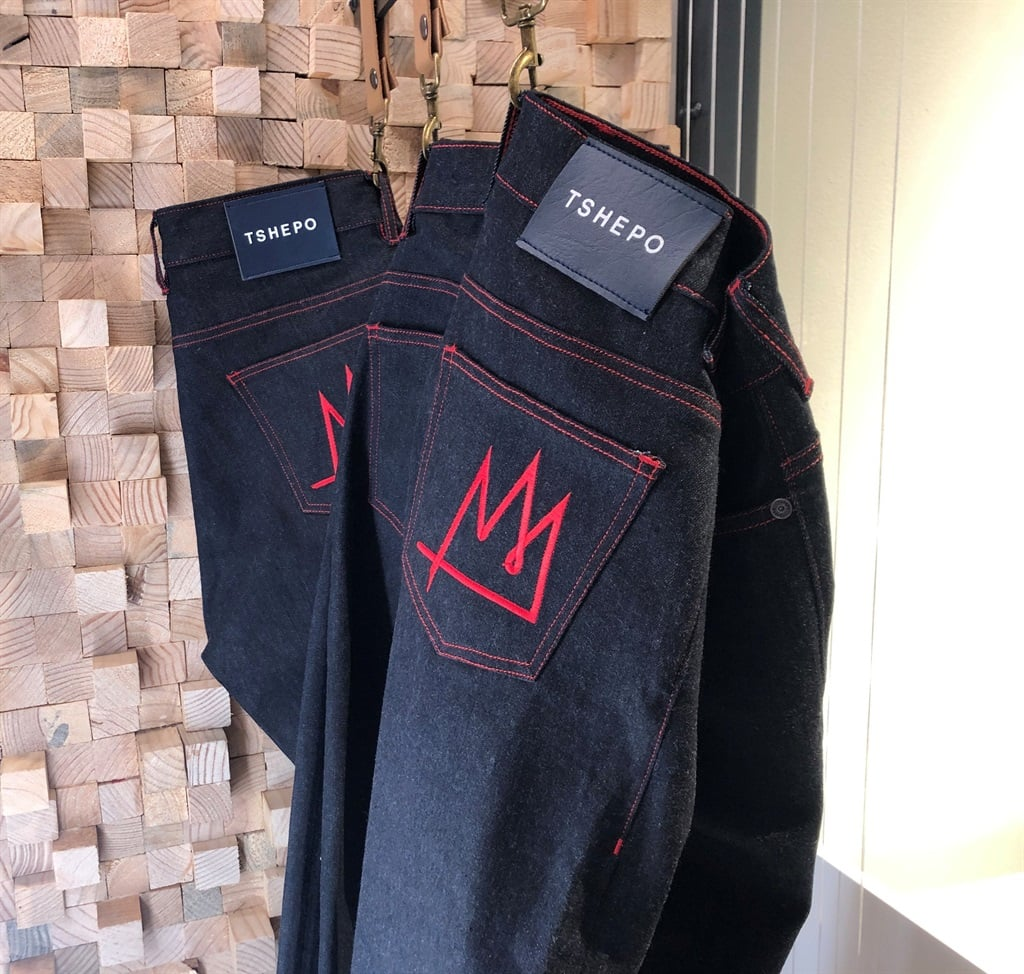
Today the brand’s voice has evolved. Campaigns and collections increasingly foreground identity, heritage, and familiarity. But the storytelling is restrained — deliberately consonant with the garments themselves. Culture is not an ad brief; it is the context in which the product is meaningful.
Collaborations follow the same rulebook. Partnerships are chosen for alignment — not reach — so the brand can extend its cultural footprint without surrendering its authorship. This approach allows Tshepo Jeans to operate as a cultural participant rather than a trend-chaser.
The Founder’s Design Choice

What sets this case apart is the founder’s view of growth as a design problem. Tshepo’s operating philosophy applies a craftsman’s maxim — measure carefully, cut once — to business strategy: protect what works, iterate where necessary, and expand only when the brand language can carry it.
That mindset reframes common growth metrics. Success is not exclusively headline revenue or store counts; it is measured in durability of reputation, resilience of margins, and the brand’s ability to remain legible as it grows.
“I’m not building for seasons. I’m building something that can outlive me.”
Lessons for Founders and Investors
Tshepo Jeans is a practical blueprint for founders who want to scale without selling out. Key learnings:
- Product integrity as a defensible asset. Make something people return for.
- Controlled visibility over ubiquitous presence. Treat retail as branding, not just distribution.
- Collaboration as extension, not shortcut. Partner for fit with purpose, not just follower counts.
A decade on, Tshepo “The Jean Maker” stands as proof that patience, discipline, and craft can be deliberate business strategy — and a profitable one. He didn’t just sew denim; he sewed together product, culture, and governance into a brand that wears in rather than burns out.
Visit tshepojeans.co.za for the latest